I like to call it my “Accelerated PHD”. The job was to take the latest computer-vision research and turn it into detectors that could run against billions of ad-eligible images on the open web — fast enough for real-time placement, robust enough to read messy publisher imagery.
Contextual ad placement
Instead of relying on cookies or text alone, the system reads the actual image on a publisher page and picks an ad whose subject matches the scene — a sneaker ad next to a marathon photo, a snack ad next to a recipe shot. The whole loop has to run inside the page render budget, which forced very tight model and inference choices.
Brand logo detection
Multiple detectors for brand logos in the wild, trained at scale across thousands of brands and the long tail of in-image appearances (worn on clothing, on signage, on packaging). Useful both for brand-safety controls and for measuring earned visual impressions across the publisher network.
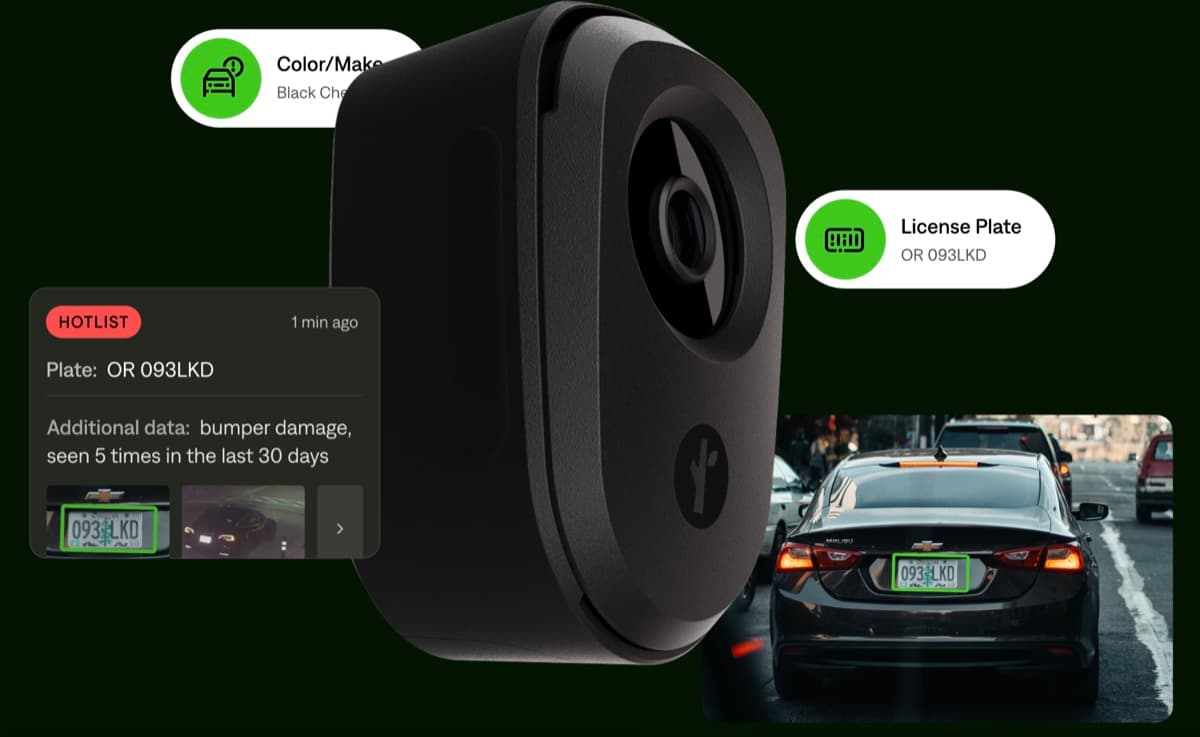
Vehicle make & model recognition
A fine-grained object detector for car make and model — far harder than “detect a car,” because the classes are visually near-identical and the training set is long-tailed by manufacturer and trim. Drives auto-vertical ad targeting.
Annotation tooling
A Qt desktop app that paired detection with tracking so a single annotator could label a video clip in a handful of clicks — bounding box once, propagate through frames, correct drift. Cut per-image labeling cost by an order of magnitude.
Technical Highlights:
- Built context-driven ad placement system by analyzing images on publisher websites
- Trained multiple object detectors for brand logos at scale
- Trained an object detector for Car (Make & Model) detection
- Built a QT application for auto-annotation using detection+tracking